Myofunctional Support
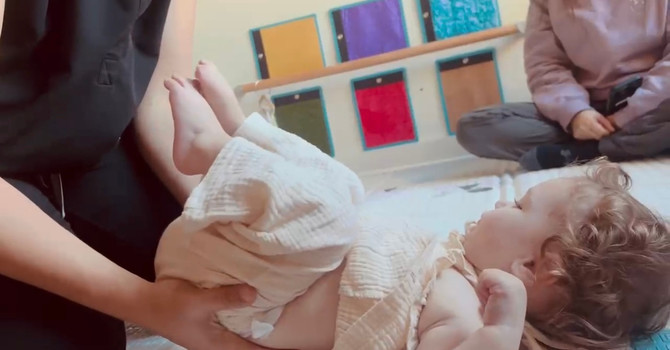
A focused oral and myofunctional assessment to look at resting tongue posture, oral function, breathing patterns, and related tension. Session includes education and a basic home exercise or support plan when appropriate. This service is best suited for individuals seeking foundational guidance and support alongside fascial therapy.
Dr. Alyssa Welch
The Myo Method® & Myofunctional Support
Hallie Bulkin's The Myo Method® is a structured, science-backed approach to orofacial myofunctional therapy, focused on assessing and retraining the muscles of the tongue, lips, cheeks, and face to support healthier breathing, tongue posture, swallowing, and resting oral posture.
Dr. Alyssa is trained through The Myo Method® and integrates foundational myofunctional principles into her fascia-focused, body-led approach.
Myofunctional Support May Help:
- Improve nasal breathing and reduce mouth breathing
- Support families navigating concerns related to sleep, airway development, oral habits, and tongue-tie/ palate expansion considerations
- Support foundational oral function alongside a whole-body plan of care
Care is always viewed through a whole-body lens, with collaboration and referral to speech, feeding, or other specialists when appropriate.
Myofunctional Support FAQs
Is myofunctional support the same as speech or feeding therapy?
No. Myofunctional support focuses on oral muscle function and patterns that influence breathing, swallowing, and oral posture. I collaborate with and refer to speech or feeding therapists when appropriate.
Is this helpful if my child has (or is considering) a tongue-tie release?
Yes. Myofunctional support can be helpful both before and after a tongue-tie release. When families choose to pursue a release, fascia-focused bodywork and myofunctional support are often recommended beforehand to help prepare the body, and afterward to support healing, integration, and reorganization of oral and whole-body tension patterns.
Can myofunctional or fascial therapy help with palate expansion?
Yes. Both myofunctional support and fascial therapy can be beneficial before, during, and after palate expansion.
Do you work with adults as well as children?
Yes. I work with babies, children, and adults using a fascia-focused, whole-body approach. While traditional myofunctional therapy often begins around age 4, younger children and babies may benefit from gentle fascial support, oral posture guidance, and whole-body regulation.
When feeding therapy or more specialized infant support is needed, I collaborate with and refer to feeding specialists or providers trained in TOTs.
Do you offer myofunctional therapy as a standalone service?
Myofunctional support is integrated into Fascial Unwinding sessions rather than offered as a separate, standalone program.
How do I know if this is right for me or my child?
If you have questions about oral function, breathing, sleep, or related concerns, scheduling a session allows us to assess and determine appropriate next steps or referals.
